Until 2am every day
Painful Teeth
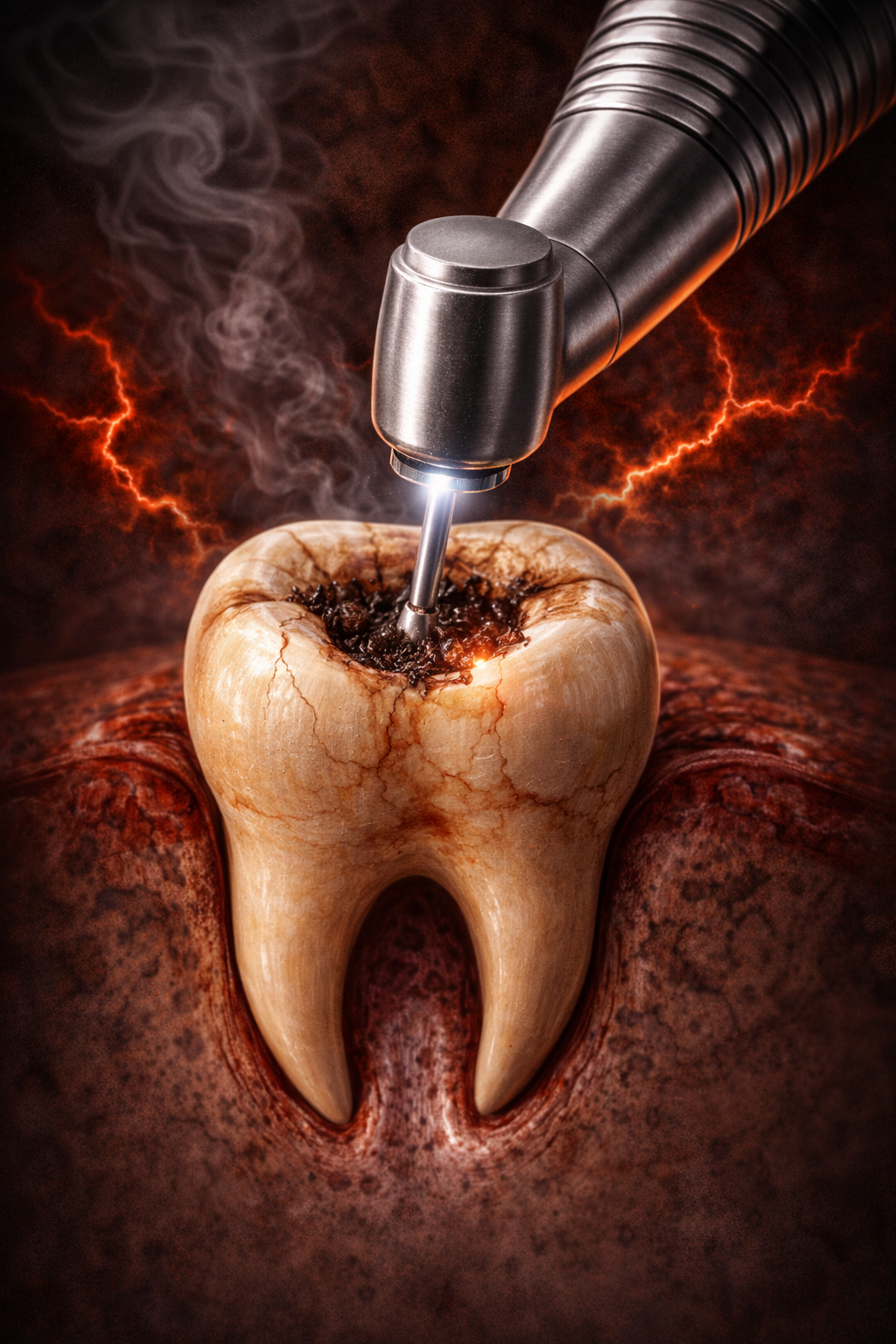
If a cavity enters the nerve of a tooth, the nerve becomes irreversibly infected. This will usually present as consistent, random pain, especially at night. It may hurt to chew on that tooth, and there may be an abscess or facial swelling in severe cases. If the tooth does not have a deep fracture and has enough bone support, root canal treatment solves the problem.Root canal treatment removes the infected nerve and cleanses the nerve space, which is then filled with a natural, biocompatible material that comes from trees. After root canal treatment, the tooth becomes more brittle, so a crown is usually, but not always, required to prevent breakage of the tooth. If a large portion of the tooth was lost due to the size of the cavity, a crown—a ceramic tooth cap—should be fitted on the tooth within a year, as long as the cavity was filled with a permanent filling after the root canal.*An infected tooth nerve does not always hurt. If you suspect a hole or crack in your tooth, you may still need a root canal. Come get checked.
Bad Teeth
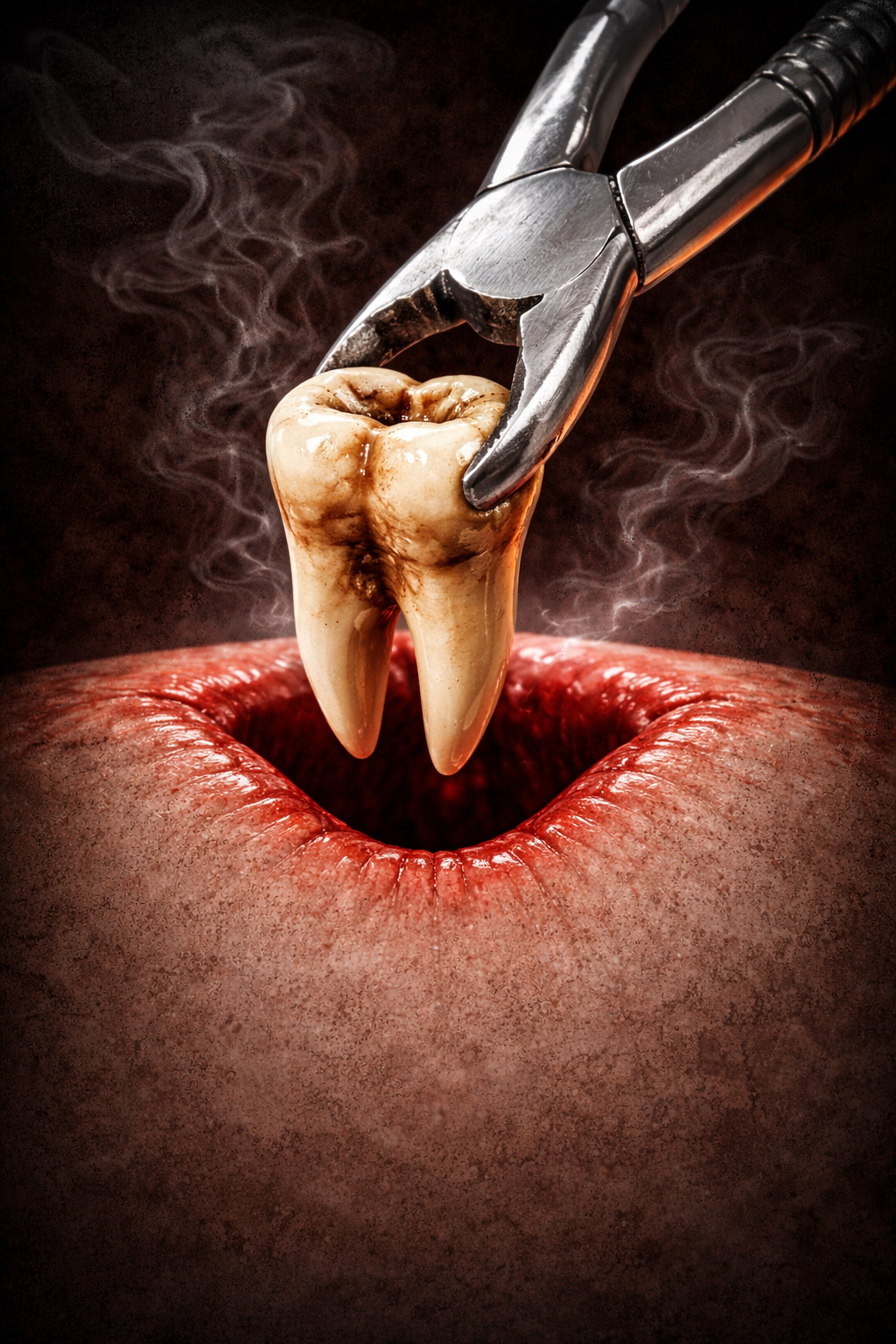
We prioritize saving teeth when possible. If an extraction can be avoided, we'll recommend treating the tooth. If a tooth is loose, has a deep fracture or a cavity that reaches the roots, an extraction is usually the only option for pain relief. Prosthetic replacement options should be considered—an implant, bridge or partial denture. We'll tell you your best treatment options ahead of time and provide a referral if you decide to replace the tooth.If you need a front tooth extracted, we'll give you a temporary prosthetic tooth to use until you get a permanent solution.
Sensitive Teeth
Tooth sensitivity is usually not as severe as tooth pain and may often be treated with a filling. If sweets, cold temperatures or air make your tooth temporarily sensitive, the issue is often one or more of the following: a cavity or damaged filling, a minor tooth fracture, an exposed root surface or gum irritation from an old crown. Gum inflammation, periodontitis and orthodontic movement may cause sensitivity on multiple teeth and are usually not specific to a single tooth.For most emergency tooth sensitivity cases, a filling is often all you need. We'll let you know and make a recommendation accordingly.
Root Canal Treated and Damaged Teeth
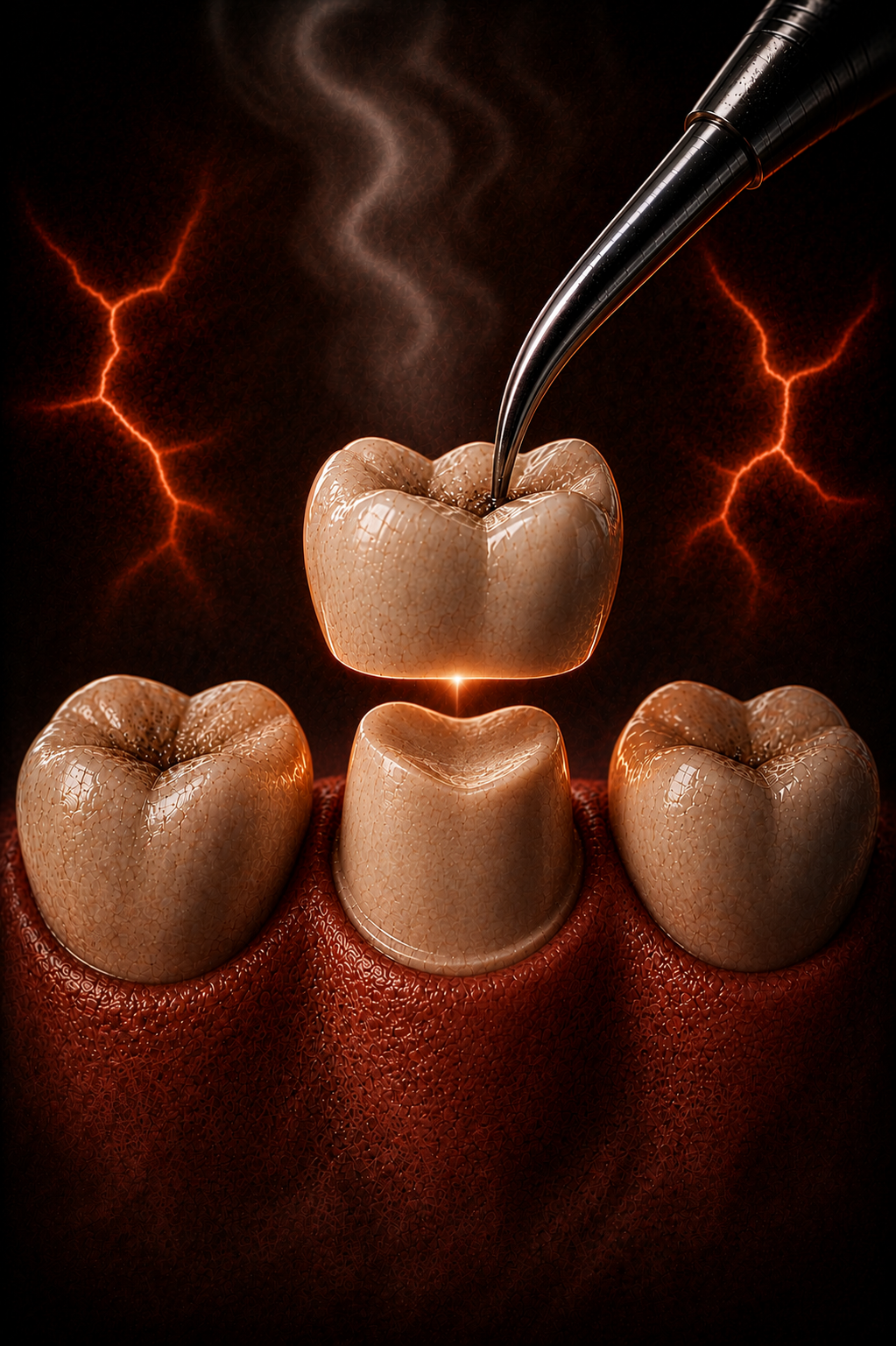
Crowns are hard tooth caps custom fitted to teeth for various reasons--most commonly for root canal treated teeth and teeth that have sustained structural damage that cannot be properly repaired with a filling. Root canal treated teeth are typically recommended for crowns due to weakening of the tooth caused by increased brittleness after the nerve and blood supply has been removed from the tooth. Additionally, a root canal treated tooth often requires structural repair if a significant portion of the tooth was lost due to a cavity.Other cases of teeth that may be recommended for a crown include live teeth with structural damage, defective or unesthetic crowns, large defective fillings and permanently discolored teeth.The most common and modern material used for crowns today is Zirconia--a type of hard ceramic that is tooth colored and does not have any metal. Other ceramics may also be used depending on which tooth is being treated and the what the desired esthetic outcome is. Traditional metal-porcelain crowns often become defective and unesthetic and may be recommended for replacement. A crown is often completed in two visits, one week apart. If you are visiting New York for less than 1 week and require a crown, we can expedite service to be completed in 2-3 days.